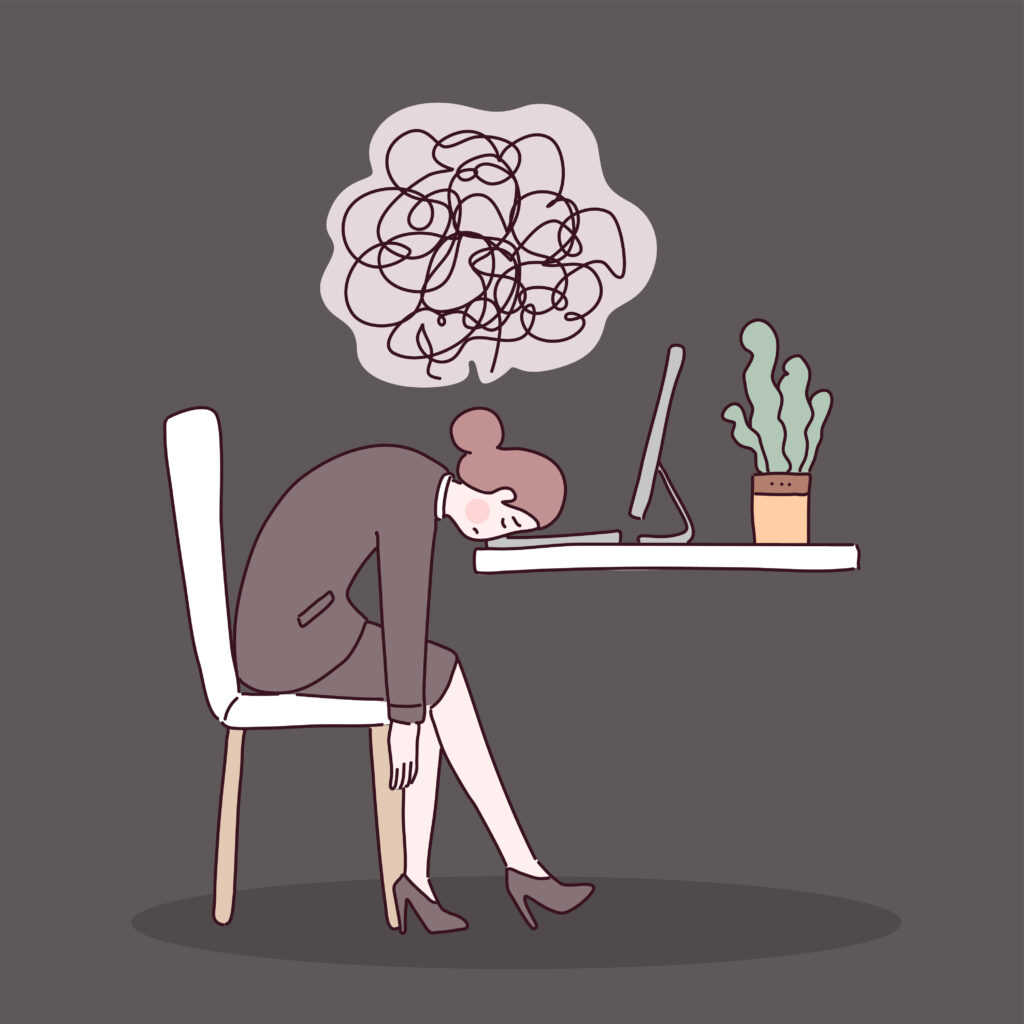
As we enter May, a month dedicated to Mental Health Awareness, the professional landscape feels heavier than usual. Leaders across the Engineering, Manufacturing, and Construction sectors have expressed a common emerging theme emerging where burnouts are no longer a looming threat, but it is becoming a current reality.
In 2026, the intersection of rapid AI integration, persistent labor shortages, and high-stakes project deadlines has pushed technical professionals to their limits. Burnout rarely announces itself with a grand gesture, but it often looks like “quiet withdrawal” before it leads to a resignation. Employers must train their leadership teams to spot early indicators. It can no longer be treated as just buzzwords relegated to the back of an employee handbook, and they must take action to drive retention and operational continuity.
Let’s explore how to identify signs of burnouts and what employers can do to help their employees build a more resilient, supportive workplace.
The Silent Erosion – Signs of Burnout to Watch For:
- The “Innovation Fade”: When your most creative engineers stop suggesting improvements and start strictly following the path of least resistance.
- The “Communication Shift”: A sudden move from collaborative dialogue to short, cynical, or purely transactional emails and messages.
- The “Increasing Errors” in Routine Tasks: In precision-heavy fields like construction, manufacturing or engineering design, a spike in avoidable mistakes is often a sign of cognitive fatigue.
- The “Always-On” Paradox: Employees who are always online and available but show diminishing returns in productivity are often trapped in a cycle of performative availability.
Strategic Interventions – What Employers Can Do Now
Employers must diligently be on the lookout for when an employee shows signs of struggling. The response must be swift, empathetic, and beyond superficial perks toward structural stability.
1. Implement “Restorative Flexibility”
While “Work from Home” isn’t an option for Site or Plant employees, Work-Life Harmony is. Consider:
- Compressed Work Weeks: Create 4-day shifts or 9-day fortnights to allow for flexibility and longer recovery periods.
- The “No-Contact” Weekend: Establish a hard rule that project communications are paused from Friday evening to Monday morning, unless a literal safety emergency occurs. This allows the mind and nervous system to actually rest and reset.
- Post-Project “Decompress” Leave: After a major site milestone or a product launch, mandate a 48-hour “lights out” period for the team involved. While celebration is good, time for rest after an extended period of high-stress and tight timelines is better.
2. Address “Culture Debt”
Rapid growth and digital transformation often leave a wake of “Culture Debt” with outdated roles and processes that make work harder than it needs to be.
- The “Role Re-Calibration”: Sometimes, burnout is the result of a mismatched load. Temporarily shifting an employee’s focus from high-stress and client-facing tasks to internal mentorship or R&D can provide a necessary change of pace without sacrificing their value.
- Process Audits: Ask your team what are some friction points and internal deficiencies. By removing or improving on them will help reduce the mental load and improve focus. For example:
- “What is one meeting or administrative task that provides zero value to your output?”; OR
- “What is a workflow that is slowing down the team and how can it be improved?”
- Transparency as a Stabilizer: Burnout is often fueled by uncertainty. Being transparent about company performance and project pipelines help remove any anxiety stemming from the unknown and employees who are confident about their job security and stability is the best antidote.
3. Normalize Mental Health Dialogue
While the stigma remains high in technical sectors, leadership must lead by example to ensure that the culture surrounding openness to communication flows from the top to bottom throughout the organization.
- Vulnerability from the Top: When Directors or Partners openly discusses taking a “mental health day” or managing stress, it grants the entire organization permission to do the same.
- Integrated Support: Ensure your Employee Assistance Programs (EAPs) are not just a link on an intranet site but are actively promoted during town halls and one-on-ones.
- Access to Professional Resources: Many forward-thinking firms are offering stipends for “Executive Coaching” or mental health apps, treating mental fitness with the same importance as technical upskilling.
We are currently in a candidate-driven market where psychological safety is a top-tier demand. Professionals in technical fields are no longer just looking for the highest bidder anymore. They are also looking for the most stable and supportive environments to join. By prioritizing mental health this May and beyond, you are protecting your most valuable asset and ensuring your team has the stamina to reach its Q3 and Q4 targets. Culture can no longer just be buzzwords and something you say during the interview to impress prospective candidates. It is how you treat your people when the pressure is at its highest that will help you team move from burnout to balance.
Is your team showing signs of Burnout and Fatigue? If you’re looking to restructure your hiring approach to prioritize long-term stability and cultural fit, let’s connect and contact us today to speak with one of our Account Executives to discuss a recruitment strategy that helps you build a team for the future.
Image Credit: Image by jcomp on Freepik